Wildlife Food Plot Seed

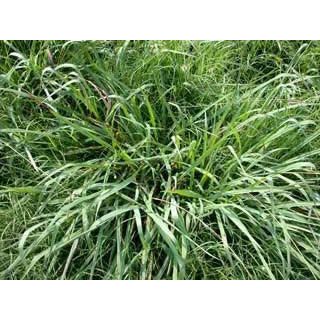
Jesup MaxQ II Forage Type Tall Fescue Grass Seed

4 reviews

Seed Ranch


MaxQ II Tall Fescue (Jesup) For Pasture

MaxQ II Jesup Tall Fescue is an advanced cool-season forage grass developed to provide the persistence and durability of traditional tall fescue while helping support improved livestock performance and pasture productivity. This premium forage combines the proven Jesup tall fescue variety with patented MaxQ novel endophyte technology, delivering excellent stand longevity without the animal health concerns commonly associated with toxic endophyte fescue varieties.

Widely trusted by cattle and horse producers across the United States, Jesup MaxQ is recognized for its superior grazing tolerance, drought resilience, seasonal productivity, and adaptability across traditional tall fescue regions. Research and field performance have demonstrated improved livestock gains, enhanced conception rates, better feed intake, and healthier overall animal performance when compared to toxic tall fescue systems.

Unlike conventional endophyte-infected tall fescue, MaxQ technology contains a non-toxic beneficial endophyte that supports plant vigor and persistence without contributing to fescue toxicosis. This makes it an excellent choice for beef cattle operations, dairy farms, horse pastures, hay production, and rotational grazing systems.


Key Benefits of Jesup MaxQ Tall Fescue

Feature Benefit
Novel MaxQ Endophyte Technology Provides persistence without harmful livestock effects
Excellent Grazing Tolerance Handles rotational grazing and heavy pasture use
Improved Livestock Performance Supports higher weight gains and reproductive efficiency
Safe for Horses Suitable for broodmares, foals, and performance horses
Strong Drought Tolerance Deep-rooted growth improves summer survival
Long-Term Stand Persistence Maintains productive pasture stands for years
Adaptable Across Regions Performs well throughout major fescue-growing areas
Excellent Hay & Grazing Option Suitable for both pasture and harvested forage systems

Why Choose MaxQ II Jesup Tall Fescue?

Traditional toxic tall fescue can negatively impact livestock by reducing weight gain, feed consumption, fertility, and overall animal comfort. Jesup MaxQ was developed to help producers maintain the agronomic advantages of tall fescue while minimizing these performance challenges.

The beneficial MaxQ endophyte improves plant persistence by helping the grass tolerate:

  • Heat stress

  • Drought conditions

  • Insect pressure

  • Heavy grazing

  • Traffic and wear

  • Seasonal environmental stress

At the same time, livestock grazing Jesup MaxQ typically experience improved comfort and productivity compared to toxic endophyte pastures.


Recommended Uses

Application Suitability
Beef Cattle Pastures Excellent
Dairy Operations Excellent
Horse Pastures Excellent
Rotational Grazing Systems Excellent
Hay Production Very Good
Wildlife & Conservation Plantings Suitable
Mixed Forage Systems Excellent

Planting Guidelines

Planting Factor Recommendation
Seeding Rate (Prepared Seedbed) 15–20 lbs. per acre
Seeding Rate (No-Till or Sod Seeded) 20–25 lbs. per acre
Planting Depth 1/4" to 1/2"
Soil pH 6.0 – 6.5
Starter Nitrogen 25–35 lbs. N per acre
Planting Time (South & Southeast) September 1 – November 1
Planting Time (Midwest/Northeast) August 15 – October 1
Spring Planting Option March – April

Establishment & Management Tips

For best establishment results, eliminate existing toxic tall fescue stands before planting Jesup MaxQ. A firm, weed-free seedbed is critical for strong germination and long-term pasture success.

Grazing Recommendations

  • Avoid grazing until seedlings reach 6–8 inches tall

  • Maintain 3–4 inches of residual forage after grazing

  • Utilize rotational grazing for improved stand longevity

  • Reduce grazing pressure during drought or extreme heat

  • Avoid grazing on excessively wet soils to reduce stand damage

Fertility Management

Apply phosphorus and potassium according to soil test recommendations. Annual nitrogen applications in early fall and late winter help maximize forage production and seasonal growth.


Seasonal Performance

Jesup MaxQ Tall Fescue provides strong cool-season productivity during:

  • Fall

  • Winter (in milder climates)

  • Early spring

  • Late spring

The forage can also be stockpiled in fall for extended winter grazing, helping reduce supplemental feeding costs.


MaxQ II Jesup Tall Fescue Advantages

  • Supports healthier livestock performance

  • Maintains durable pasture stands

  • Helps improve forage utilization

  • Reduces risks associated with toxic fescue

  • Excellent for long-term grazing systems

  • Proven performance in university and on-farm trials

  • Safe for cattle, horses, sheep, and goats

MaxQ II Jesup Tall Fescue remains one of the most trusted premium forage solutions for producers seeking persistent, high-quality pasture grass without compromising animal health or productivity.


Related Items


Description

MaxQ II Tall Fescue (Jesup) For Pasture

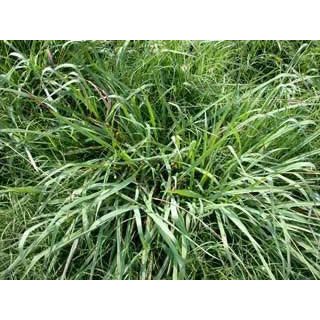
MaxQ II Jesup Tall Fescue is an advanced cool-season forage grass developed to provide the persistence and durability of traditional tall fescue while helping support improved livestock performance and pasture productivity. This premium forage combines the proven Jesup tall fescue variety with patented MaxQ novel endophyte technology, delivering excellent stand longevity without the animal health concerns commonly associated with toxic endophyte fescue varieties.

Widely trusted by cattle and horse producers across the United States, Jesup MaxQ is recognized for its superior grazing tolerance, drought resilience, seasonal productivity, and adaptability across traditional tall fescue regions. Research and field performance have demonstrated improved livestock gains, enhanced conception rates, better feed intake, and healthier overall animal performance when compared to toxic tall fescue systems.

Unlike conventional endophyte-infected tall fescue, MaxQ technology contains a non-toxic beneficial endophyte that supports plant vigor and persistence without contributing to fescue toxicosis. This makes it an excellent choice for beef cattle operations, dairy farms, horse pastures, hay production, and rotational grazing systems.


Key Benefits of Jesup MaxQ Tall Fescue

Feature Benefit
Novel MaxQ Endophyte Technology Provides persistence without harmful livestock effects
Excellent Grazing Tolerance Handles rotational grazing and heavy pasture use
Improved Livestock Performance Supports higher weight gains and reproductive efficiency
Safe for Horses Suitable for broodmares, foals, and performance horses
Strong Drought Tolerance Deep-rooted growth improves summer survival
Long-Term Stand Persistence Maintains productive pasture stands for years
Adaptable Across Regions Performs well throughout major fescue-growing areas
Excellent Hay & Grazing Option Suitable for both pasture and harvested forage systems

Why Choose MaxQ II Jesup Tall Fescue?

Traditional toxic tall fescue can negatively impact livestock by reducing weight gain, feed consumption, fertility, and overall animal comfort. Jesup MaxQ was developed to help producers maintain the agronomic advantages of tall fescue while minimizing these performance challenges.

The beneficial MaxQ endophyte improves plant persistence by helping the grass tolerate:

  • Heat stress

  • Drought conditions

  • Insect pressure

  • Heavy grazing

  • Traffic and wear

  • Seasonal environmental stress

At the same time, livestock grazing Jesup MaxQ typically experience improved comfort and productivity compared to toxic endophyte pastures.


Recommended Uses

Application Suitability
Beef Cattle Pastures Excellent
Dairy Operations Excellent
Horse Pastures Excellent
Rotational Grazing Systems Excellent
Hay Production Very Good
Wildlife & Conservation Plantings Suitable
Mixed Forage Systems Excellent

Planting Guidelines

Planting Factor Recommendation
Seeding Rate (Prepared Seedbed) 15–20 lbs. per acre
Seeding Rate (No-Till or Sod Seeded) 20–25 lbs. per acre
Planting Depth 1/4" to 1/2"
Soil pH 6.0 – 6.5
Starter Nitrogen 25–35 lbs. N per acre
Planting Time (South & Southeast) September 1 – November 1
Planting Time (Midwest/Northeast) August 15 – October 1
Spring Planting Option March – April

Establishment & Management Tips

For best establishment results, eliminate existing toxic tall fescue stands before planting Jesup MaxQ. A firm, weed-free seedbed is critical for strong germination and long-term pasture success.

Grazing Recommendations

  • Avoid grazing until seedlings reach 6–8 inches tall

  • Maintain 3–4 inches of residual forage after grazing

  • Utilize rotational grazing for improved stand longevity

  • Reduce grazing pressure during drought or extreme heat

  • Avoid grazing on excessively wet soils to reduce stand damage

Fertility Management

Apply phosphorus and potassium according to soil test recommendations. Annual nitrogen applications in early fall and late winter help maximize forage production and seasonal growth.


Seasonal Performance

Jesup MaxQ Tall Fescue provides strong cool-season productivity during:

  • Fall

  • Winter (in milder climates)

  • Early spring

  • Late spring

The forage can also be stockpiled in fall for extended winter grazing, helping reduce supplemental feeding costs.


MaxQ II Jesup Tall Fescue Advantages

  • Supports healthier livestock performance

  • Maintains durable pasture stands

  • Helps improve forage utilization

  • Reduces risks associated with toxic fescue

  • Excellent for long-term grazing systems

  • Proven performance in university and on-farm trials

  • Safe for cattle, horses, sheep, and goats

MaxQ II Jesup Tall Fescue remains one of the most trusted premium forage solutions for producers seeking persistent, high-quality pasture grass without compromising animal health or productivity.
Reviews

{% render 'proviews_widget' %}