20 reviews
$79.95
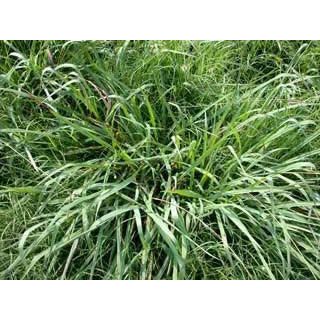
Egyptian Wheat Seed is a tall-growing warm-season annual grain in the sorghum family that is widely used for wildlife food plots, upland bird habitat, natural screening cover, and conservation plantings. Known for its impressive height, abundant seed production, and dense vertical structure, Egyptian wheat is highly valued by hunters, land managers, and wildlife enthusiasts seeking dependable late-season food and protective cover for quail, dove, turkey, pheasants, and other game birds.
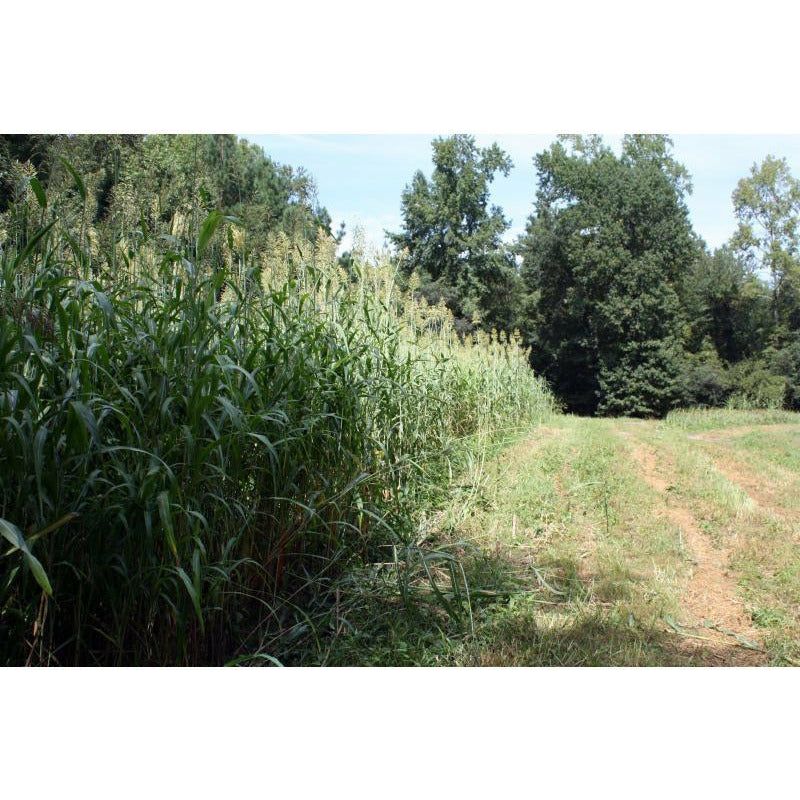
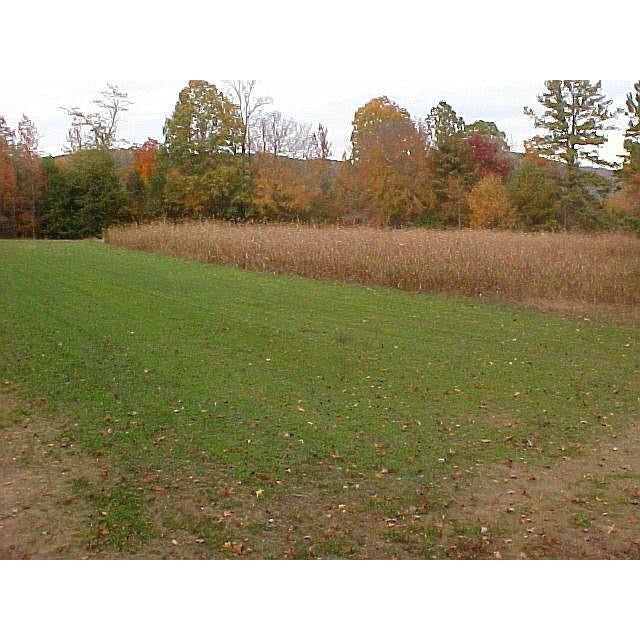
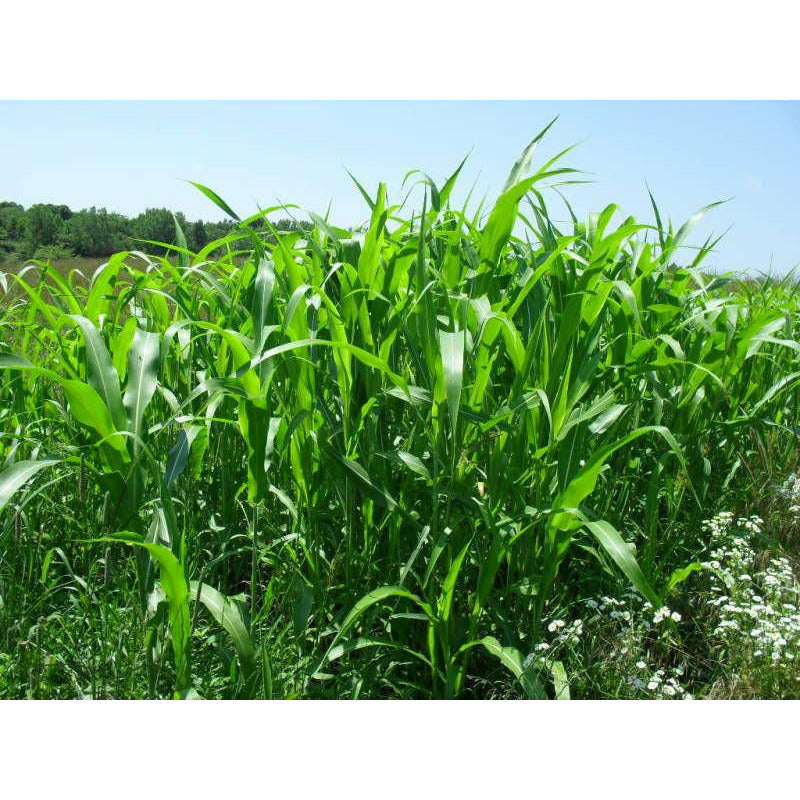
This vigorous annual grass develops long, slender stalks that commonly reach 7 to 10 feet tall, creating thick overhead cover that helps shield birds and small wildlife from predators while also providing excellent loafing, nesting, and travel habitat. Egyptian wheat produces loose, drooping seed heads filled with small grain seeds that mature approximately 110 to 140 days after emergence and remain available deep into fall and winter when natural food supplies begin to decline.
Unlike many traditional grain sorghums, Egyptian wheat is less susceptible to heavy blackbird feeding pressure because its narrow stems and lightweight seed heads make it difficult for larger birds to perch and consume large quantities of seed. This allows more grain to remain available for quail and other desirable wildlife species throughout the season.
Egyptian Wheat thrives in fertile, well-drained soils with full sunlight and performs exceptionally well in wildlife food plots, field borders, screening rows, duck impoundments, and habitat restoration projects.
| Feature | Benefit |
|---|---|
| Tall Screening Growth | Produces dense cover reaching 7β10 feet tall |
| Excellent Quail Habitat | Provides both food and predator protection |
| Long-Lasting Seed Heads | Grain remains available into late fall and winter |
| Wildlife Attraction | Attracts quail, dove, turkey, pheasant, and other game birds |
| Strong Cover Structure | Creates nesting, bedding, and escape cover |
| Heat & Drought Tolerance | Performs well during hot summer conditions |
| Reduced Blackbird Damage | Narrow seed heads discourage heavy feeding pressure |
| Fast Warm-Season Establishment | Quickly develops dense wildlife habitat |
| Specification | Details |
|---|---|
| Common Name | Egyptian Wheat |
| Plant Type | Warm-Season Annual Grain |
| Family | Sorghum Family |
| Mature Height | 7 β 10 Feet |
| Days to Maturity | Approximately 110 β 140 Days |
| Planting Depth | Β½ β 1 Inch |
| Sunlight Requirements | Full Sun |
| Soil Preference | Fertile, Well-Drained Soils |
| Wildlife Attraction | Quail, Dove, Turkey, Pheasant, Deer |
| Growth Habit | Upright Tall Screening Grass |
Egyptian Wheat Food Plot Seed is commonly planted for:
Quail food plots
Upland bird habitat improvement
Wildlife screening cover
Deer travel corridors
Dove hunting fields
Duck impoundment borders
Natural privacy screens
Windbreaks and conservation plantings
Its dense vertical growth creates ideal feeding and protective habitat for wildlife throughout the growing season.
| Planting Recommendation | Suggested Rate |
|---|---|
| Row Planting / Drilled Food Plots | 30 Lbs. Per Acre |
| Broadcast Planting | 30 β 50 Lbs. Per Acre |
| Heavy Screening Cover | 20 β 25 Lbs. Per Acre |
| Planting Depth | Β½ β 1 Inch |
| Row Spacing | Approximately 3 Feet |
| Planting Season | Spring After Final Frost |
For best establishment, plant Egyptian Wheat after all danger of frost has passed, when soil temperatures have warmed sufficiently for rapid germination and vigorous growth. Proper seed-to-soil contact and adequate moisture will improve stand density and overall performance.
Egyptian Wheat responds very well to proper soil fertility and nutrient management.
| Nutrient Program | Recommendation |
|---|---|
| All Purpose Fertilizer | 400 lbs. of 10-10-10 per acre |
| Nitrogen Side-Dress | 75β100 lbs. Ammonium Nitrate per acre |
| Application Timing | Apply when plants reach 15β25 inches tall |
A soil test is recommended before planting to maximize growth potential and seed production.
Egyptian Wheat is especially beneficial in wildlife management programs because it delivers both food and structural habitat. Mature seed heads provide a dependable carbohydrate-rich food source during late fall and winter, while the tall stalks create protective overhead cover that helps game birds avoid predators and harsh weather conditions.
The thick canopy also improves brood habitat for young quail by providing shade, movement protection, and improved access to insects and natural forage beneath the stand.
Egyptian Wheat is generally replanted annually for the best seed production and stand consistency. Rotating planting areas every few years can improve habitat diversity and encourage beneficial native grasses and forage species to develop near older plots.
Proper weed control, good site preparation, and adequate fertility will significantly improve stand establishment and long-term productivity.
Egyptian Wheat remains one of the most dependable warm-season wildlife grains available for creating tall screening cover, high-quality upland bird habitat, and reliable late-season food sources. Its rapid growth, exceptional height, and long-lasting seed production make it an outstanding choice for hunters, wildlife managers, conservation programs, and landowners seeking durable, high-performing wildlife habitat seed.
Sold Out $9.95
Ball Clover - Great for Honey Bees Ball Clover is a cool season clover that...
Sold Out $9.95
Dallis Grass Seed for Pastures Perennial Β Scientific Name Paspalum dilatatum Seeding Rate 15-20 Lbs....
Sold Out $8.95
Renovation White Clover Seed Developed by Dr. Joe Bouton, and released by the University of...
Sold Out $37.77
Rackmaster Refuge Deer Plot Seed Mix Plants 1/4 Acre Makes a diverse and attractive food...
Egyptian Wheat Seed is a tall-growing warm-season annual grain in the sorghum family that is widely used for wildlife food plots, upland bird habitat, natural screening cover, and conservation plantings. Known for its impressive height, abundant seed production, and dense vertical structure, Egyptian wheat is highly valued by hunters, land managers, and wildlife enthusiasts seeking dependable late-season food and protective cover for quail, dove, turkey, pheasants, and other game birds.
This vigorous annual grass develops long, slender stalks that commonly reach 7 to 10 feet tall, creating thick overhead cover that helps shield birds and small wildlife from predators while also providing excellent loafing, nesting, and travel habitat. Egyptian wheat produces loose, drooping seed heads filled with small grain seeds that mature approximately 110 to 140 days after emergence and remain available deep into fall and winter when natural food supplies begin to decline.
Unlike many traditional grain sorghums, Egyptian wheat is less susceptible to heavy blackbird feeding pressure because its narrow stems and lightweight seed heads make it difficult for larger birds to perch and consume large quantities of seed. This allows more grain to remain available for quail and other desirable wildlife species throughout the season.
Egyptian Wheat thrives in fertile, well-drained soils with full sunlight and performs exceptionally well in wildlife food plots, field borders, screening rows, duck impoundments, and habitat restoration projects.
| Feature | Benefit |
|---|---|
| Tall Screening Growth | Produces dense cover reaching 7β10 feet tall |
| Excellent Quail Habitat | Provides both food and predator protection |
| Long-Lasting Seed Heads | Grain remains available into late fall and winter |
| Wildlife Attraction | Attracts quail, dove, turkey, pheasant, and other game birds |
| Strong Cover Structure | Creates nesting, bedding, and escape cover |
| Heat & Drought Tolerance | Performs well during hot summer conditions |
| Reduced Blackbird Damage | Narrow seed heads discourage heavy feeding pressure |
| Fast Warm-Season Establishment | Quickly develops dense wildlife habitat |
| Specification | Details |
|---|---|
| Common Name | Egyptian Wheat |
| Plant Type | Warm-Season Annual Grain |
| Family | Sorghum Family |
| Mature Height | 7 β 10 Feet |
| Days to Maturity | Approximately 110 β 140 Days |
| Planting Depth | Β½ β 1 Inch |
| Sunlight Requirements | Full Sun |
| Soil Preference | Fertile, Well-Drained Soils |
| Wildlife Attraction | Quail, Dove, Turkey, Pheasant, Deer |
| Growth Habit | Upright Tall Screening Grass |
Egyptian Wheat Food Plot Seed is commonly planted for:
Quail food plots
Upland bird habitat improvement
Wildlife screening cover
Deer travel corridors
Dove hunting fields
Duck impoundment borders
Natural privacy screens
Windbreaks and conservation plantings
Its dense vertical growth creates ideal feeding and protective habitat for wildlife throughout the growing season.
| Planting Recommendation | Suggested Rate |
|---|---|
| Row Planting / Drilled Food Plots | 30 Lbs. Per Acre |
| Broadcast Planting | 30 β 50 Lbs. Per Acre |
| Heavy Screening Cover | 20 β 25 Lbs. Per Acre |
| Planting Depth | Β½ β 1 Inch |
| Row Spacing | Approximately 3 Feet |
| Planting Season | Spring After Final Frost |
For best establishment, plant Egyptian Wheat after all danger of frost has passed, when soil temperatures have warmed sufficiently for rapid germination and vigorous growth. Proper seed-to-soil contact and adequate moisture will improve stand density and overall performance.
Egyptian Wheat responds very well to proper soil fertility and nutrient management.
| Nutrient Program | Recommendation |
|---|---|
| All Purpose Fertilizer | 400 lbs. of 10-10-10 per acre |
| Nitrogen Side-Dress | 75β100 lbs. Ammonium Nitrate per acre |
| Application Timing | Apply when plants reach 15β25 inches tall |
A soil test is recommended before planting to maximize growth potential and seed production.
Egyptian Wheat is especially beneficial in wildlife management programs because it delivers both food and structural habitat. Mature seed heads provide a dependable carbohydrate-rich food source during late fall and winter, while the tall stalks create protective overhead cover that helps game birds avoid predators and harsh weather conditions.
The thick canopy also improves brood habitat for young quail by providing shade, movement protection, and improved access to insects and natural forage beneath the stand.
Egyptian Wheat is generally replanted annually for the best seed production and stand consistency. Rotating planting areas every few years can improve habitat diversity and encourage beneficial native grasses and forage species to develop near older plots.
Proper weed control, good site preparation, and adequate fertility will significantly improve stand establishment and long-term productivity.
Egyptian Wheat remains one of the most dependable warm-season wildlife grains available for creating tall screening cover, high-quality upland bird habitat, and reliable late-season food sources. Its rapid growth, exceptional height, and long-lasting seed production make it an outstanding choice for hunters, wildlife managers, conservation programs, and landowners seeking durable, high-performing wildlife habitat seed.
{% render 'proviews_widget' %}