Browntop Millet Seed | Florida Grown
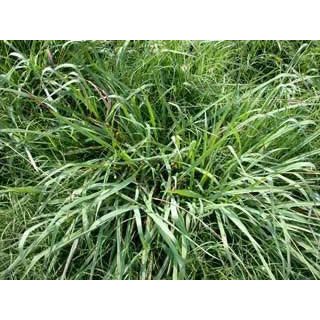
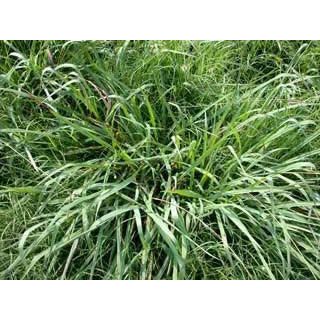
Browntop Millet (Urochloa ramosa) is a fast-growing warm-season annual grass widely used for wildlife food plots, agricultural cover cropping, erosion control, forage production, and conservation planting. Known for its rapid germination, quick maturity, and heavy seed production, Browntop Millet is one of the most versatile millet varieties available for landowners, hunters, farmers, and conservation managers.
This Florida-grown Browntop Millet can germinate in as little as 5 days under favorable conditions and typically reaches maturity within 45 to 70 days after planting. Its adaptability to multiple soil types and climates makes it an excellent choice for wildlife habitat development, short-season forage, soil improvement, and sustainable land management applications.
In addition to its agricultural and wildlife value, Browntop Millet is also recognized as a nutrient-dense, naturally gluten-free grain used in specialty food production and sustainable farming systems.
Key Features & Benefits
| Feature |
Benefit |
| Rapid Germination |
Often establishes within 5 days under proper moisture and temperature |
| Fast Maturity |
Produces seed in approximately 45–70 days |
| Heavy Seed Production |
Generates abundant seed heads attractive to game birds |
| Excellent Wildlife Attraction |
Supports deer, turkey, ducks, dove, quail, pheasant, and rabbits |
| Flood Tolerant After Maturity |
Ideal for managed duck impoundments and waterfowl feeding areas |
| Strong Root System |
Helps stabilize soil and reduce erosion |
| Weed Suppression Benefits |
Commonly used as a cover crop to reduce weed pressure |
| Companion Crop Compatible |
Excellent nurse crop for perennial grass establishment |
| High-Quality Forage |
Suitable for hay production and rotational grazing |
| Non-Invasive Growth Habit |
Safe for conservation and restoration projects |
Wildlife Food Plot Benefits
Browntop Millet is one of the most popular warm-season wildlife food plot species due to its ability to produce large quantities of highly desirable seed in a short amount of time. The dense foliage provides both forage and protective cover while mature seed heads become a valuable food source for upland birds and waterfowl.
Wildlife Commonly Attracted
| Wildlife Species |
Attraction Benefit |
| Dove |
Heavy seed production for feeding areas |
| Quail |
Excellent cover and seed availability |
| Wild Turkey |
Preferred seed source and insect habitat |
| Ducks |
Outstanding flooded food source |
| Deer |
Nutritious seasonal forage and grazing |
| Pheasant |
Dense cover and seasonal feeding |
| Rabbits |
Tender forage and habitat protection |
Waterfowl & Duck Management
One of Browntop Millet’s most valuable traits is its suitability for waterfowl habitat management. Once mature, fields may be intentionally flooded to create highly productive feeding grounds for ducks and migratory birds. This makes Browntop Millet especially popular in duck impoundments, moist-soil management systems, and seasonal wetland food plots.
Agricultural & Land Management Uses
Beyond wildlife applications, Browntop Millet is widely utilized in agriculture and conservation programs because of its quick establishment and soil-building benefits.
Common Agricultural Applications
| Application |
Benefit |
| Cover Crop |
Protects bare soil and improves field health |
| Erosion Control |
Stabilizes slopes, embankments, and disturbed soils |
| Nurse Crop |
Supports slower-growing perennial grass establishment |
| Green Manure |
Adds organic matter back into the soil |
| Weed Suppression |
Helps naturally reduce weed competition |
| Soil Improvement |
Enhances soil structure and biological activity |
| Rotational Grazing |
Provides quick seasonal forage for livestock |
| Hay Production |
Produces fine-stemmed, quality hay |
Natural Pest & Nematode Suppression
Browntop Millet is commonly included in crop rotation and soil management programs due to its ability to help reduce certain soil-borne pest pressures. It is frequently planted as a companion or catch crop to help suppress root-knot nematode populations in susceptible vegetable crops such as tomatoes, peppers, and other garden plants.
Its dense canopy growth also helps shade the soil surface, limiting weed germination and reducing competition in transitional planting systems.
Livestock Forage & Hay Production
Browntop Millet produces fine stems and leafy growth that dry down quickly, making it an excellent option for hay production and seasonal forage systems. It is commonly utilized for:
-
Rotational cattle grazing
-
Temporary summer pasture
-
Emergency forage production
-
Dry hay harvesting
-
Soil-building forage rotations
Its rapid growth allows producers to generate quality forage during short growing windows while helping improve overall field productivity.
Plant Characteristics
| Characteristic |
Details |
| Scientific Name |
Urochloa ramosa |
| Synonyms |
Brachiaria ramosa, Panicum ramosum
|
| Plant Type |
Warm-season annual grass |
| Growth Height |
Approximately 2–3 feet |
| Germination Time |
Often 5–7 days |
| Days to Maturity |
Approximately 45–70 days |
| Growth Habit |
Upright, leafy annual grass |
| Invasiveness |
Non-aggressive / non-invasive |
Planting Guide
Recommended Planting Information
| Category |
Recommendation |
| Planting Season |
April through August |
| Seeding Rate |
25–45 lbs. per acre |
| Small Plot Rate |
1 lb. per 1,000 sq. ft. |
| Planting Depth |
Up to ½ inch deep |
| Soil Preference |
Sandy to loamy soils |
| Sunlight Requirements |
Full sun preferred |
Why Choose Florida-Grown Browntop Millet?
Florida-grown Browntop Millet is well adapted to warm, humid growing conditions and performs exceptionally well throughout the Southeast and other warm-season regions. Locally adapted seed often demonstrates stronger establishment, improved vigor, and dependable performance in challenging summer environments.
Whether planted for wildlife attraction, waterfowl management, erosion control, livestock forage, soil improvement, or conservation planting, Browntop Millet remains one of the most reliable and economical short-season annual grasses available today.