Birdsfoot Trefoil Seed | Raw
Non-Bloating Perennial Legume for Forage, Wildlife, and Conservation.
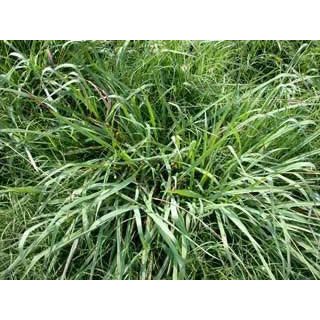
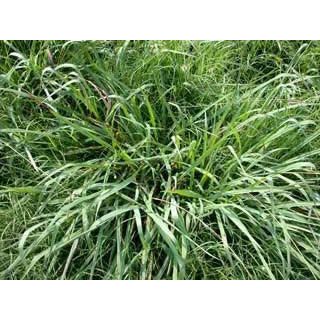
Birdsfoot Trefoil (Lotus corniculatus) is a highly adaptable perennial legume prized for its excellent forage quality, natural nitrogen-fixing ability, and broad range of agricultural and conservation uses. Unlike many forage legumes, Birdsfoot Trefoil contains naturally occurring tannins that significantly reduce the risk of pasture bloat, making it a preferred forage choice for cattle, sheep, goats, and other grazing livestock.
This short-lived perennial can persist for many years through natural reseeding when properly managed. It produces nutritious forage with excellent palatability and maintains leaf retention better than many legumes, making it particularly valuable for grazing, hay production, and stockpiling forage for later-season use.
Key Benefits
| Feature |
Benefit |
| Non-Bloating Forage |
Safer grazing option for livestock |
| High Protein Content |
Supports animal growth and performance |
| Natural Nitrogen Fixation |
Helps improve soil fertility and reduce fertilizer needs |
| Self-Reseeding Potential |
Can maintain productive stands under proper management |
| Wildlife Friendly |
Excellent forage source for deer and other wildlife |
| Adaptable to Marginal Soils |
Performs where other forage legumes may struggle |
| Flood and Drought Tolerance |
Handles short-term environmental stress |
| Strong Erosion Control |
Helps stabilize disturbed soils and reclamation sites |
| Excellent Stockpiling Ability |
Retains leaves and forage quality after frost |
Plant Characteristics
| Characteristic |
Description |
| Botanical Name |
Lotus corniculatus |
| Plant Type |
Perennial Legume |
| Mature Height |
12–30 Inches |
| Flower Color |
Bright Yellow |
| Seed Pods |
Clustered pods resembling a bird's foot |
| Root System |
Deep taproot with extensive lateral roots |
| Soil pH Range |
5.5–7.0 |
| Seeds Per Pound |
Approximately 370,000 |
| Sun Requirement |
Full Sun |
| Winter Hardiness |
Excellent |
Common Uses
Forage Production
Birdsfoot Trefoil is widely used in grazing systems, hay fields, and forage stockpiling programs. Its high feed quality and reduced bloat risk make it a valuable component of pasture and livestock operations.
Wildlife Food Plots
The highly palatable forage attracts deer and other wildlife species throughout the growing season. It is commonly included in wildlife habitat and food plot seed mixtures.
Erosion Control and Reclamation
Birdsfoot Trefoil is frequently planted on reclaimed mine lands, roadsides, and other disturbed sites due to its ability to establish in lower-fertility soils and help stabilize the soil surface.
Adaptation and Growing Conditions
Birdsfoot Trefoil is adapted to a wide geographic range extending from the southern United States into southern Canada. It performs best in fertile, well-drained soils with a near-neutral pH but remains productive on moderately acidic soils where other forage legumes may struggle.
Compared to alfalfa, Birdsfoot Trefoil demonstrates better tolerance to temporary flooding, frost heaving, and lower fertility conditions. It also withstands moderate drought once established, making it a dependable option for challenging growing environments.
Planting Recommendations
Proper inoculation prior to planting is strongly recommended to maximize root nodulation and nitrogen fixation.
| Application |
Seeding Rate |
| Pure Stands |
8–10 lbs. per acre |
| Grass Mixtures |
2–8 lbs. per acre |
| Wildlife Plantings |
5–10 lbs. per acre |
Planting Depth: Up to 1/4 inch
Seedbed Preparation: A smooth, firm seedbed provides the best germination and establishment results.
Preferred Planting Time: Early spring generally provides the highest establishment success, although late summer seedings may also perform well under favorable moisture conditions.
Management Guidelines
For hay production, the first harvest is typically taken when approximately 10% of the plants are in bloom. A second harvest can often be made during late summer depending on growing conditions.
Birdsfoot Trefoil requires thoughtful management to maintain stand longevity. Rotational grazing systems are preferred over continuous grazing, as plants depend heavily on leaf growth to replenish energy reserves. Maintaining 3–4 inches of residual growth after grazing helps encourage recovery and stand persistence.
To promote reseeding and strong winter survival:
- Avoid excessive grazing pressure during summer.
- Leave adequate regrowth between harvests.
- Limit grazing and haying during the fall period before the first killing frost.
- Follow soil test recommendations to maintain proper fertility levels.
Why Choose Birdsfoot Trefoil?
Birdsfoot Trefoil offers an exceptional combination of forage quality, livestock safety, wildlife value, and environmental adaptability. Its ability to thrive in marginal soils, tolerate short-term flooding, improve soil fertility, and provide nutritious non-bloating forage makes it an outstanding choice for pasture improvement, wildlife habitat enhancement, reclamation projects, and long-term forage production.