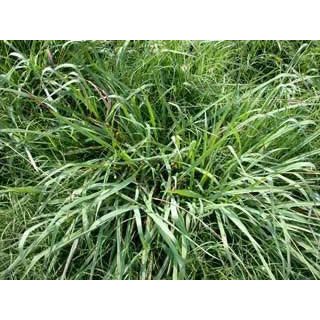
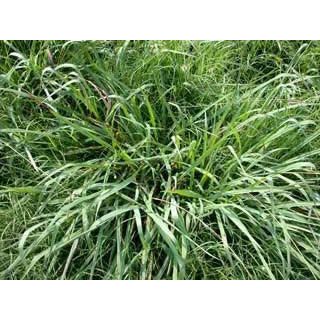
Sugar Grazer II Sorghum Sudangrass Seed
Seed rate: 35-40 lbs./acre; plant in soil at least 60 degrees F
Sugar Graze II is a high-quality sorghum, sorgho, and sudan-grass hybrid that produces excellent forage. It grows rapidly and can be used for grazing, greenchop, or hay.
Sugar Grazer II Sorghum Sudangrass Seed is a high-performance warm-season annual forage seed ideal for livestock producers, pasture managers, and landowners who need quick summer growth, strong forage volume, and reliable performance in challenging conditions. This sorghum-sudangrass hybrid is commonly described by seed retailers as a 3-way sorghum x sorgho x sudangrass cross designed for grazing, green chop, and hay production. Product listings also note its rapid growth, broad green leaves, sweet stalks, drought tolerance, and adaptability across a range of growing conditions.
Built for warm-weather forage production, Sugar Grazer II performs best when planted after frost danger has passed and soil temperatures are warm enough for fast germination. While the product planting guide lists 60°F minimum soil temperature and 35–40 lbs. per acre, university forage guidance commonly recommends sorghum-sudangrass planting once soil temperatures are closer to 65°F or higher for quick emergence and strong stand establishment.
Key Benefits
| Feature |
Benefit |
| Fast summer growth |
Produces quick forage during hot months when cool-season pastures may slow down. |
| Multi-use forage |
Suitable for grazing, green chop, and hay when managed properly. |
| Drought tolerant |
Strong root development helps performance in limited-rainfall areas. |
| Adaptable hybrid |
Performs across a range of soil and moisture conditions when fertility and planting timing are managed. |
| High forage potential |
Responds well to adequate moisture and fertility for improved biomass production. |
| Warm-season annual |
Excellent option for summer forage, emergency forage, pasture renovation, or seasonal feed planning. |
Planting & Establishment Guide
| Planting Detail |
Recommendation |
| Seed Rate |
35–40 lbs. per acre |
| Soil Temperature |
Plant when soil is at least 60°F; 65°F+ is preferred for faster germination |
| Planting Season |
After frost danger has passed; commonly early summer in many regions |
| Midwest Planting Window |
Often listed as June 1–July 10, depending on local conditions |
| Best Soil Conditions |
Firm, moist seedbed with good seed-to-soil contact |
| Primary Uses |
Grazing, green chop, hay, forage production |
| Crop Type |
Warm-season annual sorghum-sudangrass hybrid |
Product sources list Sugar Grazer II at 35–40 lbs./acre, with planting when soil reaches at least 60°F; extension guidance for sorghum-sudangrass generally recommends firm, moist seedbeds, warm soil, and seeding rates that vary by drill or broadcast method.
Best Uses for Sugar Grazer II
| Use |
Management Notes |
| Grazing |
Begin grazing only after plants reach a safe height. Extension sources commonly recommend waiting until sorghum-family forages are at least 18–24 inches tall, with some sorghum-sudangrass guidance recommending 18–40 inches before grazing.
|
| Green Chop |
Harvest after adequate plant height and feed promptly; university guidance recommends feeding green chop within a few hours to reduce risk from prussic acid buildup.
|
| Hay |
Cut at the proper stage and allow full curing. Sorghum-sudangrass has thicker stems than many fine-stemmed hay crops, so drying can take longer.
|
| Summer Forage |
A strong choice for hot-weather forage production, especially where drought tolerance and rapid regrowth are priorities. |
Professional Product Description
Sugar Grazer II Sorghum Sudangrass Seed is a vigorous, fast-growing forage hybrid developed for producers who need dependable warm-season feed. With sorghum, sorgho, and sudangrass genetics, this annual forage crop produces leafy, upright growth with sweet, palatable stalks and strong biomass potential. It is well suited for cattle grazing, green chop, hay production, summer pasture, and emergency forage programs.
This hybrid is especially valuable during hot weather and periods of limited rainfall. Its strong root system supports drought tolerance, while its growth response under adequate moisture can help produce heavy forage yields. Sugar Grazer II is also adaptable, making it a practical choice for farms, ranches, food plots, and forage systems across a variety of growing environments.
For best results, seed 35–40 lbs. per acre into a firm, moist seedbed once soil temperatures are at least 60°F. Warmer soils, preferably around 65°F or higher, can improve germination speed and stand establishment. Manage grazing and harvest timing carefully to maintain forage quality, encourage regrowth, and reduce livestock health risks associated with sorghum-family forages.
Livestock Safety & Management Notes
Sorghum-sudangrass can be highly productive, but it should be managed carefully because sorghum-family forages may develop prussic acid or nitrate risks under certain conditions, especially drought stress, frost, young regrowth, or heavy nitrogen conditions. Michigan State University notes that sorghum-family forages should not be grazed or green-chopped until plants are at least 18–24 inches tall, and livestock should be removed around frost events until forage has dried.
Important: Do not graze horses on sorghum-sudangrass hybrids. University of Maine Extension warns that these crops can cause cystitis syndrome in horses.