No reviews
$7.77
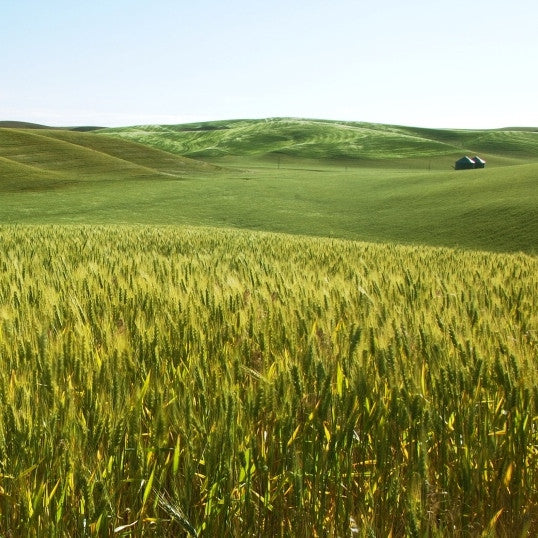
Nomini Barley Seed is a versatile barley variety for growers seeking reliable establishment, productive growth, and quality performance. It can be used for grain production, forage, cover cropping, and other agricultural applications, making it a practical choice for a variety of growing operations.
Reliable Establishment — Designed to establish well when planted in properly prepared soil and favorable growing conditions, helping produce a more uniform stand.
Cool-Season Performance — Barley is well suited to cooler growing periods, making Nomini a useful option for fall and winter planting in appropriate regions.
Versatile Crop Use — Can be grown for grain, forage, cover-crop applications, or other agricultural purposes depending on local growing practices.
Strong Early Growth — Good early development can help the crop compete with weeds and make efficient use of available growing conditions.
Adaptable Growing Option — Suitable for a range of agricultural settings when matched with the appropriate soil, planting date, fertility program, and moisture conditions.
Efficient Ground Cover — A well-established barley stand can provide valuable soil coverage, helping protect the soil surface from erosion and reducing exposed ground during the growing season.
Practical for Agricultural Operations — A versatile crop that can fit into crop rotations and provide an additional option for growers looking to diversify their planting program.
Select a well-drained planting site and prepare a firm, smooth seedbed. Remove excessive weeds and residue that could interfere with seed-to-soil contact.
Barley is generally planted as a cool-season crop. For fall planting, sow early enough to allow the crop to establish before severe winter conditions. Planting dates vary by region, so follow local agricultural recommendations.
Plant approximately 1–1½ inches deep in most soil conditions. Avoid planting too deeply, especially in heavy or poorly drained soils.
Use the seeding rate recommended on the seed tag or by your local agricultural extension service. The ideal rate can vary depending on planting date, soil conditions, intended use, and local growing practices.
A soil test is recommended before planting. Apply lime and fertilizer according to soil-test recommendations and local crop-management guidelines.
Provide adequate moisture during germination and establishment. Once established, manage moisture according to rainfall, soil type, and crop requirements.
Regularly inspect the planting for weeds, insects, disease, and nutrient deficiencies. Take appropriate management measures based on local conditions and the intended use of the crop.
Important: Planting dates, seeding rates, fertilizer requirements, and harvest practices vary by region and intended use. Always follow the current seed label and local agricultural recommendations.
Nomini Barley Seed offers growers a versatile, practical, and dependable cool-season crop option. Its combination of establishment, adaptability, ground-cover potential, and multiple uses makes it a valuable addition to many agricultural planting programs.
Category: Barley Seed, cover crop, fodder, forage crop, grain production, Grain Seed, non-GMO seeds, raw untreated, six-row barley, wildlife food plot, winter hardy
Type: Barley Seed
Brand: Seed Ranch
$37.77
Browntop Millet Seed | Florida Grown Browntop Millet (Urochloa ramosa) is a fast-growing warm-season annual...
$1.75
99.8% Pure Potassium Nitrate Powder (Saltpeter) Potassium nitrate is used in a variation of ways,...
$39.95
Japanese Millet Seed | Florida Grown Scientific Name: Echinochloa esculenta Fast-Growing Wildlife Food Plot & Erosion...
Sold Out $7.77
Iron & Clay Cowpeas Food Plot Seeds Premium Annual Warm-Season Wildlife Forage Iron & Clay...
Nomini Barley Seed is a versatile barley variety for growers seeking reliable establishment, productive growth, and quality performance. It can be used for grain production, forage, cover cropping, and other agricultural applications, making it a practical choice for a variety of growing operations.
Reliable Establishment — Designed to establish well when planted in properly prepared soil and favorable growing conditions, helping produce a more uniform stand.
Cool-Season Performance — Barley is well suited to cooler growing periods, making Nomini a useful option for fall and winter planting in appropriate regions.
Versatile Crop Use — Can be grown for grain, forage, cover-crop applications, or other agricultural purposes depending on local growing practices.
Strong Early Growth — Good early development can help the crop compete with weeds and make efficient use of available growing conditions.
Adaptable Growing Option — Suitable for a range of agricultural settings when matched with the appropriate soil, planting date, fertility program, and moisture conditions.
Efficient Ground Cover — A well-established barley stand can provide valuable soil coverage, helping protect the soil surface from erosion and reducing exposed ground during the growing season.
Practical for Agricultural Operations — A versatile crop that can fit into crop rotations and provide an additional option for growers looking to diversify their planting program.
Select a well-drained planting site and prepare a firm, smooth seedbed. Remove excessive weeds and residue that could interfere with seed-to-soil contact.
Barley is generally planted as a cool-season crop. For fall planting, sow early enough to allow the crop to establish before severe winter conditions. Planting dates vary by region, so follow local agricultural recommendations.
Plant approximately 1–1½ inches deep in most soil conditions. Avoid planting too deeply, especially in heavy or poorly drained soils.
Use the seeding rate recommended on the seed tag or by your local agricultural extension service. The ideal rate can vary depending on planting date, soil conditions, intended use, and local growing practices.
A soil test is recommended before planting. Apply lime and fertilizer according to soil-test recommendations and local crop-management guidelines.
Provide adequate moisture during germination and establishment. Once established, manage moisture according to rainfall, soil type, and crop requirements.
Regularly inspect the planting for weeds, insects, disease, and nutrient deficiencies. Take appropriate management measures based on local conditions and the intended use of the crop.
Important: Planting dates, seeding rates, fertilizer requirements, and harvest practices vary by region and intended use. Always follow the current seed label and local agricultural recommendations.
Nomini Barley Seed offers growers a versatile, practical, and dependable cool-season crop option. Its combination of establishment, adaptability, ground-cover potential, and multiple uses makes it a valuable addition to many agricultural planting programs.
{% render 'proviews_widget' %}