🍁🍂 Enjoy Sitewide Thanksgiving Reduced Pricing 🍂🍁
3 reviews
$844.00
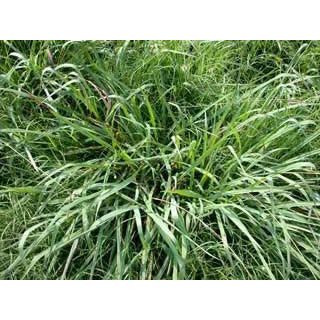
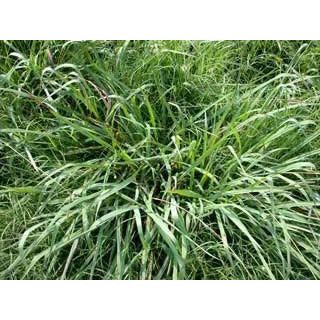
Grow quality hay and pasture forage with Alfagraze 600 RR alfalfa seed, featuring Roundup Ready technology, grazing tolerance, and fall dormancy 6.
Alfagraze 600 RR Alfalfa Seed combines grazing tolerance with Roundup Ready technology for productive hay and pasture systems. This perennial forage legume has a fall dormancy rating of 6 and offers leafy growth, strong yield potential, and recovery after grazing or harvest.
Large, deep crowns help plants withstand livestock traffic, while resistance to several important diseases and pests supports stand persistence. Use Alfagraze 600 RR where a semi-dormant alfalfa is locally adapted and where soil fertility, drainage, and harvest management can support a productive stand.
Bayer Stewardship Number Required
Purchase requires a valid Bayer Stewardship number and a current, active Bayer Technology Stewardship Agreement. Please enter your stewardship number in the notes during checkout.
If you need to register, call 1-800-768-6387, option 3. Registration is free; seed and applicable technology charges are separate.
| Characteristic | Details |
|---|---|
| Product / variety | Alfagraze 600 RR Alfalfa Seed |
| Brand | America’s Alfalfa® |
| Botanical name | Medicago sativa |
| Plant type | Perennial forage legume |
| Primary uses | Hay production and managed livestock grazing |
| Fall dormancy | 6 — semi-dormant |
| Herbicide-tolerance trait | Roundup Ready®; genetically engineered tolerance to glyphosate |
| Soil requirements | Fertile, well-drained soil; target surface soil pH of 6.5–7.0 |
| Seed treatment / inoculation | Check the current bag tag for coating, treatment, inoculation, purity, and germination details. |
| Purchase requirement | Valid Bayer Stewardship number and active technology agreement |
| Planting restriction | Imperial County, California: do not plant Roundup Ready alfalfa without express permission from Forage Genetics International, LLC, under its current stewardship requirements. |
| Benefit | Value for Your Forage Program |
|---|---|
| Hay and grazing flexibility | One variety supports harvested forage and managed pasture use. |
| Leafy forage | Produces a leafy canopy with strong forage-quality potential. |
| Traffic tolerance and recovery | Deep crowns and vigorous regrowth help support repeated use when plants receive adequate recovery time. |
| Roundup Ready weed management | Allows labeled glyphosate applications to control susceptible weeds within the alfalfa stand. |
| Disease and pest resistance | A documented resistance package helps protect productive plants under suitable growing conditions. |
| Disease or Pest | Resistance Rating |
|---|---|
| Fusarium wilt | Highly resistant (HR) |
| Southern root-knot nematode | Highly resistant (HR) |
| Phytophthora root rot | Resistant (R) |
| Anthracnose, race 1 | Resistant (R) |
| Verticillium wilt | Resistant (R) |
| Spotted alfalfa aphid | Resistant (R) |
| Stem nematode | Moderately resistant (MR) |
Resistance does not mean immunity. Continue scouting and managing field conditions that favor disease or insect damage.
| Establishment Method | Per Acre | Per 1,000 Sq. Ft. |
|---|---|---|
| Pure alfalfa stand | 18–20 lb | 0.41–0.46 lb |
| Broadcast seeding | 20–22 lb | 0.46–0.51 lb |
These product seeding rates are starting guidelines. Regional recommendations may be higher or expressed as pure live seed (PLS). Account for seed coating, purity, and germination when determining the bulk seed required. Per-1,000-square-foot rates are rounded conversions using 43,560 square feet per acre.
| Practice | Recommendation |
|---|---|
| Site preparation | Soil-test in advance. Correct acidity and nutrient deficiencies, control existing weeds, and prepare a firm seedbed. |
| Planting depth | Aim for approximately ¼ inch with good seed-to-soil contact. Cultipack after broadcasting. |
| Planting season | Use the locally recommended fall or spring window. Fall plantings generally need 6–8 weeks of growth before a hard frost. |
| Inoculation | If seed is not properly pre-inoculated, use a fresh alfalfa-specific inoculant according to its directions. |
| Grazing management | Use short grazing periods, allow regrowth between rotations, and retain approximately 4 inches of stubble. Manage livestock introduction and bloat risk when grazing alfalfa. |
| Weed management | Use only herbicide products labeled for the crop and intended application. Follow all rates, timing, harvest intervals, and stewardship requirements. Glyphosate can injure companion grasses and other plants that lack the Roundup Ready trait. |
Alfagraze 600 RR is an option for suitable southeastern and transition-region locations where fall-dormancy-6 alfalfa performs well. State boundaries alone do not establish suitability; winter conditions, drainage, soil acidity, disease pressure, and management all affect results.
Florida: Alfalfa production is generally concentrated in the Panhandle and suitable, higher, well-drained sites in north Florida. Stands often function as short-term perennials lasting less than two years. Avoid waterlogged fields and sites with high water tables, and confirm local adaptation before planting.
What does “RR” mean?
RR means Roundup Ready. The variety carries a genetically engineered glyphosate-tolerance trait. Weed control still depends on the herbicide label, application timing, and weed susceptibility.
Can Alfagraze 600 RR be used for both hay and grazing?
Yes. It is a dual-purpose variety. Rotational grazing and adequate recovery help protect the stand between uses.
What does a fall dormancy rating of 6 mean?
It identifies a semi-dormant alfalfa with more fall growth than more dormant varieties. It is not a USDA hardiness-zone rating or a guarantee of winter survival.
How much seed is needed for one acre?
Use 18–20 lb as a starting rate for a pure stand or 20–22 lb when broadcasting, adjusted for the seed lot and local establishment recommendations.
Is the seed already inoculated?
Check the bag tag for the current lot. Do not assume inoculation or coating details without confirming the package information.
Do I need a Bayer Stewardship number to order?
Yes. Enter your valid number in the checkout notes and maintain an active Bayer Technology Stewardship Agreement. For registration assistance, call 1-800-768-6387, option 3.
Sold Out $17.00
Ball Clover - Great for Honey Bees Ball Clover is a cool season clover that...
Sold Out $17.00
Dallis Grass Seed for Pastures Perennial Scientific Name Paspalum dilatatum Seeding Rate 15-20 Lbs....
Sold Out $16.00
Renovation White Clover Seed Developed by Dr. Joe Bouton, and released by the University of...
Sold Out $5.00
Keystone Winter Peas Keystone peas are a very special pea. It is primarily a winter...
Grow quality hay and pasture forage with Alfagraze 600 RR alfalfa seed, featuring Roundup Ready technology, grazing tolerance, and fall dormancy 6.
Alfagraze 600 RR Alfalfa Seed combines grazing tolerance with Roundup Ready technology for productive hay and pasture systems. This perennial forage legume has a fall dormancy rating of 6 and offers leafy growth, strong yield potential, and recovery after grazing or harvest.
Large, deep crowns help plants withstand livestock traffic, while resistance to several important diseases and pests supports stand persistence. Use Alfagraze 600 RR where a semi-dormant alfalfa is locally adapted and where soil fertility, drainage, and harvest management can support a productive stand.
Bayer Stewardship Number Required
Purchase requires a valid Bayer Stewardship number and a current, active Bayer Technology Stewardship Agreement. Please enter your stewardship number in the notes during checkout.
If you need to register, call 1-800-768-6387, option 3. Registration is free; seed and applicable technology charges are separate.
| Characteristic | Details |
|---|---|
| Product / variety | Alfagraze 600 RR Alfalfa Seed |
| Brand | America’s Alfalfa® |
| Botanical name | Medicago sativa |
| Plant type | Perennial forage legume |
| Primary uses | Hay production and managed livestock grazing |
| Fall dormancy | 6 — semi-dormant |
| Herbicide-tolerance trait | Roundup Ready®; genetically engineered tolerance to glyphosate |
| Soil requirements | Fertile, well-drained soil; target surface soil pH of 6.5–7.0 |
| Seed treatment / inoculation | Check the current bag tag for coating, treatment, inoculation, purity, and germination details. |
| Purchase requirement | Valid Bayer Stewardship number and active technology agreement |
| Planting restriction | Imperial County, California: do not plant Roundup Ready alfalfa without express permission from Forage Genetics International, LLC, under its current stewardship requirements. |
| Benefit | Value for Your Forage Program |
|---|---|
| Hay and grazing flexibility | One variety supports harvested forage and managed pasture use. |
| Leafy forage | Produces a leafy canopy with strong forage-quality potential. |
| Traffic tolerance and recovery | Deep crowns and vigorous regrowth help support repeated use when plants receive adequate recovery time. |
| Roundup Ready weed management | Allows labeled glyphosate applications to control susceptible weeds within the alfalfa stand. |
| Disease and pest resistance | A documented resistance package helps protect productive plants under suitable growing conditions. |
| Disease or Pest | Resistance Rating |
|---|---|
| Fusarium wilt | Highly resistant (HR) |
| Southern root-knot nematode | Highly resistant (HR) |
| Phytophthora root rot | Resistant (R) |
| Anthracnose, race 1 | Resistant (R) |
| Verticillium wilt | Resistant (R) |
| Spotted alfalfa aphid | Resistant (R) |
| Stem nematode | Moderately resistant (MR) |
Resistance does not mean immunity. Continue scouting and managing field conditions that favor disease or insect damage.
| Establishment Method | Per Acre | Per 1,000 Sq. Ft. |
|---|---|---|
| Pure alfalfa stand | 18–20 lb | 0.41–0.46 lb |
| Broadcast seeding | 20–22 lb | 0.46–0.51 lb |
These product seeding rates are starting guidelines. Regional recommendations may be higher or expressed as pure live seed (PLS). Account for seed coating, purity, and germination when determining the bulk seed required. Per-1,000-square-foot rates are rounded conversions using 43,560 square feet per acre.
| Practice | Recommendation |
|---|---|
| Site preparation | Soil-test in advance. Correct acidity and nutrient deficiencies, control existing weeds, and prepare a firm seedbed. |
| Planting depth | Aim for approximately ¼ inch with good seed-to-soil contact. Cultipack after broadcasting. |
| Planting season | Use the locally recommended fall or spring window. Fall plantings generally need 6–8 weeks of growth before a hard frost. |
| Inoculation | If seed is not properly pre-inoculated, use a fresh alfalfa-specific inoculant according to its directions. |
| Grazing management | Use short grazing periods, allow regrowth between rotations, and retain approximately 4 inches of stubble. Manage livestock introduction and bloat risk when grazing alfalfa. |
| Weed management | Use only herbicide products labeled for the crop and intended application. Follow all rates, timing, harvest intervals, and stewardship requirements. Glyphosate can injure companion grasses and other plants that lack the Roundup Ready trait. |
Alfagraze 600 RR is an option for suitable southeastern and transition-region locations where fall-dormancy-6 alfalfa performs well. State boundaries alone do not establish suitability; winter conditions, drainage, soil acidity, disease pressure, and management all affect results.
Florida: Alfalfa production is generally concentrated in the Panhandle and suitable, higher, well-drained sites in north Florida. Stands often function as short-term perennials lasting less than two years. Avoid waterlogged fields and sites with high water tables, and confirm local adaptation before planting.
What does “RR” mean?
RR means Roundup Ready. The variety carries a genetically engineered glyphosate-tolerance trait. Weed control still depends on the herbicide label, application timing, and weed susceptibility.
Can Alfagraze 600 RR be used for both hay and grazing?
Yes. It is a dual-purpose variety. Rotational grazing and adequate recovery help protect the stand between uses.
What does a fall dormancy rating of 6 mean?
It identifies a semi-dormant alfalfa with more fall growth than more dormant varieties. It is not a USDA hardiness-zone rating or a guarantee of winter survival.
How much seed is needed for one acre?
Use 18–20 lb as a starting rate for a pure stand or 20–22 lb when broadcasting, adjusted for the seed lot and local establishment recommendations.
Is the seed already inoculated?
Check the bag tag for the current lot. Do not assume inoculation or coating details without confirming the package information.
Do I need a Bayer Stewardship number to order?
Yes. Enter your valid number in the checkout notes and maintain an active Bayer Technology Stewardship Agreement. For registration assistance, call 1-800-768-6387, option 3.
{% render 'proviews_widget' %}