Wildlife Food Plot Seed

Crimson Clover Seed

45 reviews

Seed Ranch


Crimson Clover Seed | Raw Or Coated & Inoculated

Scientific Name: Trifolium incarnatum

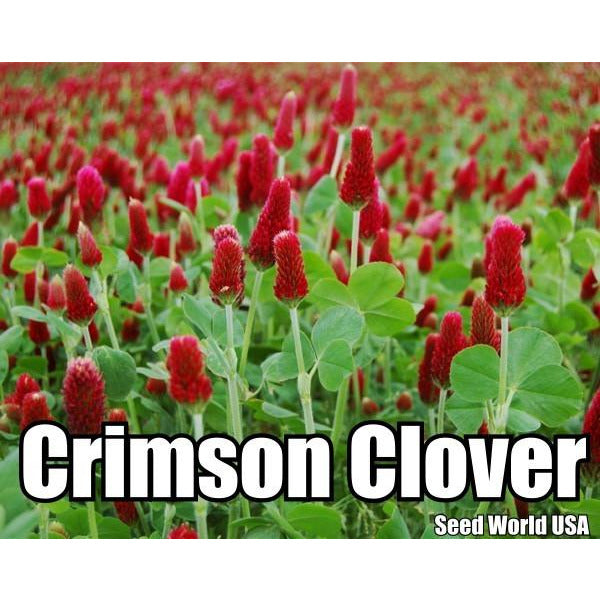
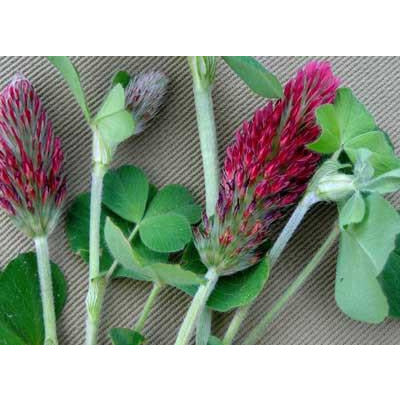
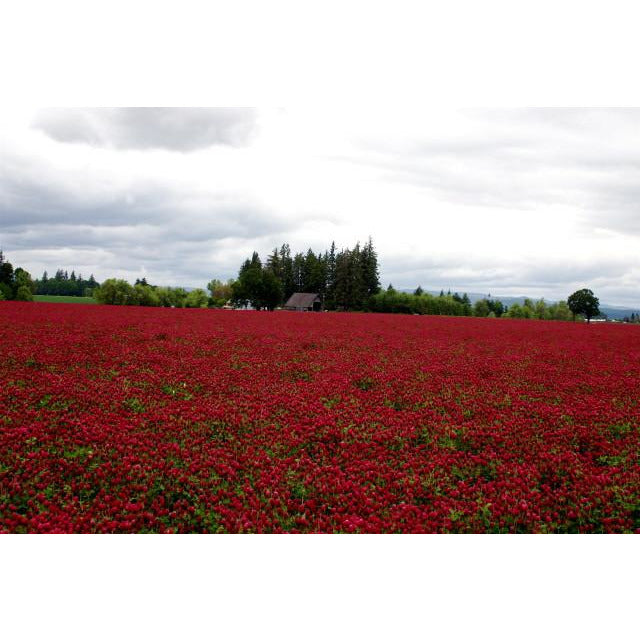
Seed Ranch Crimson Clover Seed is a premium cool-season annual legume widely planted for livestock forage, wildlife food plots, cover cropping, soil improvement, erosion control, and seasonal color enhancement. Recognized for its brilliant crimson flower heads and nutrient-rich forage, Crimson Clover delivers exceptional performance in pastures, agricultural fields, and conservation plantings throughout much of the United States.

This versatile legume establishes quickly during the fall and develops a strong root system through the winter months before producing abundant forage growth in late winter and spring. Its highly digestible leaves and stems are readily consumed by livestock and wildlife, making it a valuable addition to grazing systems and wildlife management programs.

In addition to providing quality forage, Crimson Clover naturally fixes atmospheric nitrogen, helping improve soil fertility while reducing the need for supplemental nitrogen fertilizer. The striking red blooms also attract pollinators, including bees and beneficial insects, making it an excellent choice for pollinator habitats and conservation projects.


Key Benefits

Feature Benefit
High-Protein Forage Excellent feed source for livestock and wildlife
Nitrogen Fixation Helps improve soil fertility naturally
Attractive Crimson Blooms Creates stunning seasonal color and attracts pollinators
Cool-Season Growth Produces forage when warm-season grasses are dormant
Soil Improvement Increases organic matter and enhances soil health
Erosion Control Helps protect soil from runoff and erosion
Wildlife Attraction Popular choice for deer, turkey, and other game species
Potential Reseeding May return naturally under favorable management conditions

Adaptation & Growing Conditions

Crimson Clover performs best in fertile, well-drained soils with adequate moisture. It tolerates moderately acidic soil conditions and is commonly planted alone or in combination with annual ryegrass, oats, wheat, rye, bermudagrass, or bahiagrass overseeding programs.

Growing Requirement Recommendation
Climate Cool-Season Annual
Sun Exposure Full Sun to Partial Sun
Soil Type Loam, Clay Loam, and Other Well-Drained Soils
Soil pH 5.5–7.0
Drainage Well-Drained Preferred
Drought Tolerance Moderate
Flood Tolerance Low

Crimson Clover is less suited for excessively sandy soils, drought-prone locations, or areas that remain saturated for extended periods.


Recommended Seeding Rates

Raw Crimson Clover Seed

Application Seeding Rate
Per Acre 20–25 lbs.
Per 1,000 Sq. Ft. 0.5–0.6 lbs.

Coated & Inoculated Crimson Clover Seed

Application Seeding Rate
Per Acre 25–35 lbs.
Per 1,000 Sq. Ft. 0.6–0.8 lbs.

Why Are Coated Seeding Rates Higher?

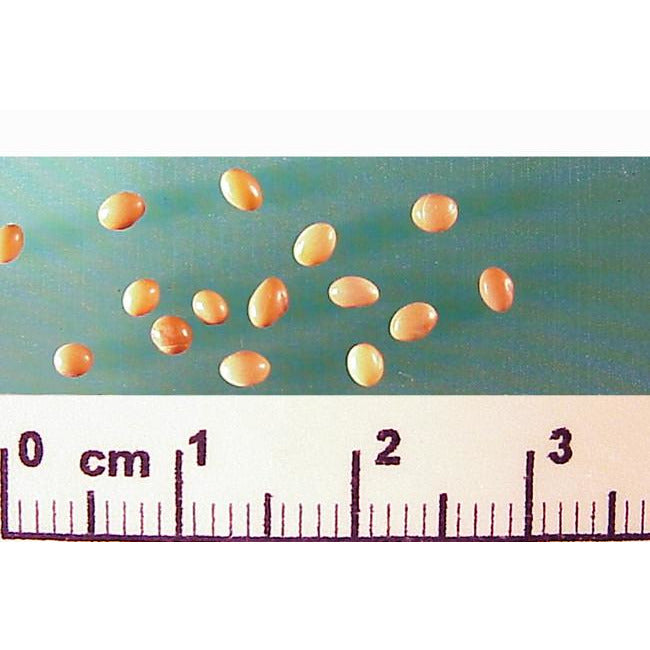
Coated and inoculated seed includes a protective seed coating and beneficial rhizobium inoculant designed to support germination and nitrogen-fixing activity. Because the coating adds weight to each seed, there are fewer actual seeds per pound compared to raw seed. Increasing the seeding rate helps achieve proper plant populations and more uniform stand establishment.


Planting Information

Planting Factor Recommendation
Planting Season Fall through Early Winter
Planting Depth ¼–½ Inch
Germination Time Approximately 7–14 Days
Companion Plantings Ryegrass, Small Grains, Bermudagrass, Bahiagrass
Moisture Requirement Consistent Moisture During Establishment

Proper seed-to-soil contact is important for successful germination and vigorous early growth.


Grazing & Harvest Management

Crimson Clover should generally be allowed to reach 6–8 inches in height before grazing begins. To encourage continued growth and stand persistence, avoid grazing below 3–5 inches. The forage produced is highly palatable and can be utilized for grazing, hay production, or silage.

For producers interested in natural reseeding, grazing pressure should be reduced during peak flowering and seed development. Allowing plants to mature and set seed can help establish future stands under favorable growing conditions.


Common Uses

  • Livestock Pastures

  • Wildlife Food Plots

  • Deer Habitat Enhancement

  • Pollinator Plantings

  • Cover Crops

  • Nitrogen-Building Programs

  • Hay Production

  • Silage Production

  • Erosion Control Projects

  • Roadside and Landscape Beautification

Seed Ranch Crimson Clover Seed

Whether you're improving a pasture, building healthier soils, creating a wildlife food plot, or establishing a pollinator-friendly planting, Seed Ranch Crimson Clover Seed offers exceptional forage quality, natural soil benefits, and eye-catching seasonal color in one versatile package.


Category: Crimson Clover

Type: Clover Seed

Brand: Seed Ranch


Related Items


Description

Crimson Clover Seed | Raw Or Coated & Inoculated

Scientific Name: Trifolium incarnatum

Seed Ranch Crimson Clover Seed is a premium cool-season annual legume widely planted for livestock forage, wildlife food plots, cover cropping, soil improvement, erosion control, and seasonal color enhancement. Recognized for its brilliant crimson flower heads and nutrient-rich forage, Crimson Clover delivers exceptional performance in pastures, agricultural fields, and conservation plantings throughout much of the United States.

This versatile legume establishes quickly during the fall and develops a strong root system through the winter months before producing abundant forage growth in late winter and spring. Its highly digestible leaves and stems are readily consumed by livestock and wildlife, making it a valuable addition to grazing systems and wildlife management programs.

In addition to providing quality forage, Crimson Clover naturally fixes atmospheric nitrogen, helping improve soil fertility while reducing the need for supplemental nitrogen fertilizer. The striking red blooms also attract pollinators, including bees and beneficial insects, making it an excellent choice for pollinator habitats and conservation projects.


Key Benefits

Feature Benefit
High-Protein Forage Excellent feed source for livestock and wildlife
Nitrogen Fixation Helps improve soil fertility naturally
Attractive Crimson Blooms Creates stunning seasonal color and attracts pollinators
Cool-Season Growth Produces forage when warm-season grasses are dormant
Soil Improvement Increases organic matter and enhances soil health
Erosion Control Helps protect soil from runoff and erosion
Wildlife Attraction Popular choice for deer, turkey, and other game species
Potential Reseeding May return naturally under favorable management conditions

Adaptation & Growing Conditions

Crimson Clover performs best in fertile, well-drained soils with adequate moisture. It tolerates moderately acidic soil conditions and is commonly planted alone or in combination with annual ryegrass, oats, wheat, rye, bermudagrass, or bahiagrass overseeding programs.

Growing Requirement Recommendation
Climate Cool-Season Annual
Sun Exposure Full Sun to Partial Sun
Soil Type Loam, Clay Loam, and Other Well-Drained Soils
Soil pH 5.5–7.0
Drainage Well-Drained Preferred
Drought Tolerance Moderate
Flood Tolerance Low

Crimson Clover is less suited for excessively sandy soils, drought-prone locations, or areas that remain saturated for extended periods.


Recommended Seeding Rates

Raw Crimson Clover Seed

Application Seeding Rate
Per Acre 20–25 lbs.
Per 1,000 Sq. Ft. 0.5–0.6 lbs.

Coated & Inoculated Crimson Clover Seed

Application Seeding Rate
Per Acre 25–35 lbs.
Per 1,000 Sq. Ft. 0.6–0.8 lbs.

Why Are Coated Seeding Rates Higher?

Coated and inoculated seed includes a protective seed coating and beneficial rhizobium inoculant designed to support germination and nitrogen-fixing activity. Because the coating adds weight to each seed, there are fewer actual seeds per pound compared to raw seed. Increasing the seeding rate helps achieve proper plant populations and more uniform stand establishment.


Planting Information

Planting Factor Recommendation
Planting Season Fall through Early Winter
Planting Depth ¼–½ Inch
Germination Time Approximately 7–14 Days
Companion Plantings Ryegrass, Small Grains, Bermudagrass, Bahiagrass
Moisture Requirement Consistent Moisture During Establishment

Proper seed-to-soil contact is important for successful germination and vigorous early growth.


Grazing & Harvest Management

Crimson Clover should generally be allowed to reach 6–8 inches in height before grazing begins. To encourage continued growth and stand persistence, avoid grazing below 3–5 inches. The forage produced is highly palatable and can be utilized for grazing, hay production, or silage.

For producers interested in natural reseeding, grazing pressure should be reduced during peak flowering and seed development. Allowing plants to mature and set seed can help establish future stands under favorable growing conditions.


Common Uses

  • Livestock Pastures

  • Wildlife Food Plots

  • Deer Habitat Enhancement

  • Pollinator Plantings

  • Cover Crops

  • Nitrogen-Building Programs

  • Hay Production

  • Silage Production

  • Erosion Control Projects

  • Roadside and Landscape Beautification

Seed Ranch Crimson Clover Seed

Whether you're improving a pasture, building healthier soils, creating a wildlife food plot, or establishing a pollinator-friendly planting, Seed Ranch Crimson Clover Seed offers exceptional forage quality, natural soil benefits, and eye-catching seasonal color in one versatile package.

Reviews

{% render 'proviews_widget' %}